
Wednesday, 19 August 2026 (IST)
Tehran still claims control over the Strait of Hormuz. But a major shift in shipping patterns suggests that Iran’s ability to control traffic through the strategic waterway may be weakening.
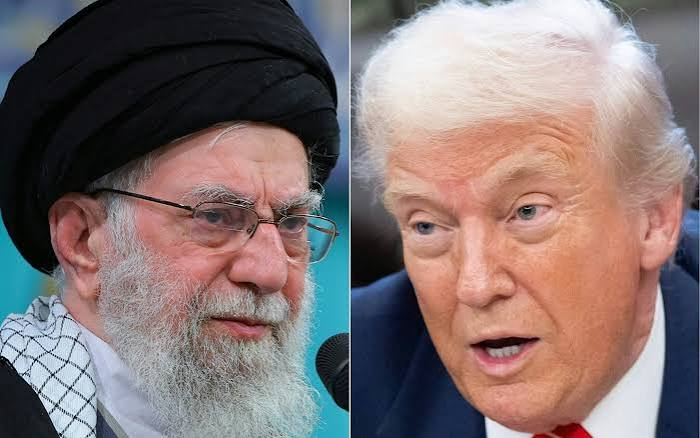
The Strait of Hormuz, one of the world’s most important maritime chokepoints, has become the centre of a growing confrontation between Iran and the United States.
For months, Tehran has used its strategic position around the waterway as a major source of leverage. Iran has repeatedly insisted that the strait remains under its control, while the United States has challenged that claim and increased pressure on shipping linked to the region.
Now, however, shipping patterns are beginning to tell a different story.
Ships Are Increasingly Avoiding Iran’s Side
The most important development is the growing use of routes through Omani-controlled waters.
According to shipping data cited in recent reports, more than 80 percent of vessels using the broader Strait of Hormuz area over the past two weeks have reportedly travelled through the Omani side rather than relying on the Iranian-controlled side of the waterway.
This matters because control of a strategic waterway is not simply about making territorial claims. It also depends on the ability to influence whether commercial ships can safely and reliably transit the area.
If shipping companies can increasingly operate through alternative lanes without accepting Iranian instructions, Tehran’s practical leverage over maritime traffic could diminish.
U.S. Naval Presence Changes the Equation
The second major factor is the growing American military presence in the region.
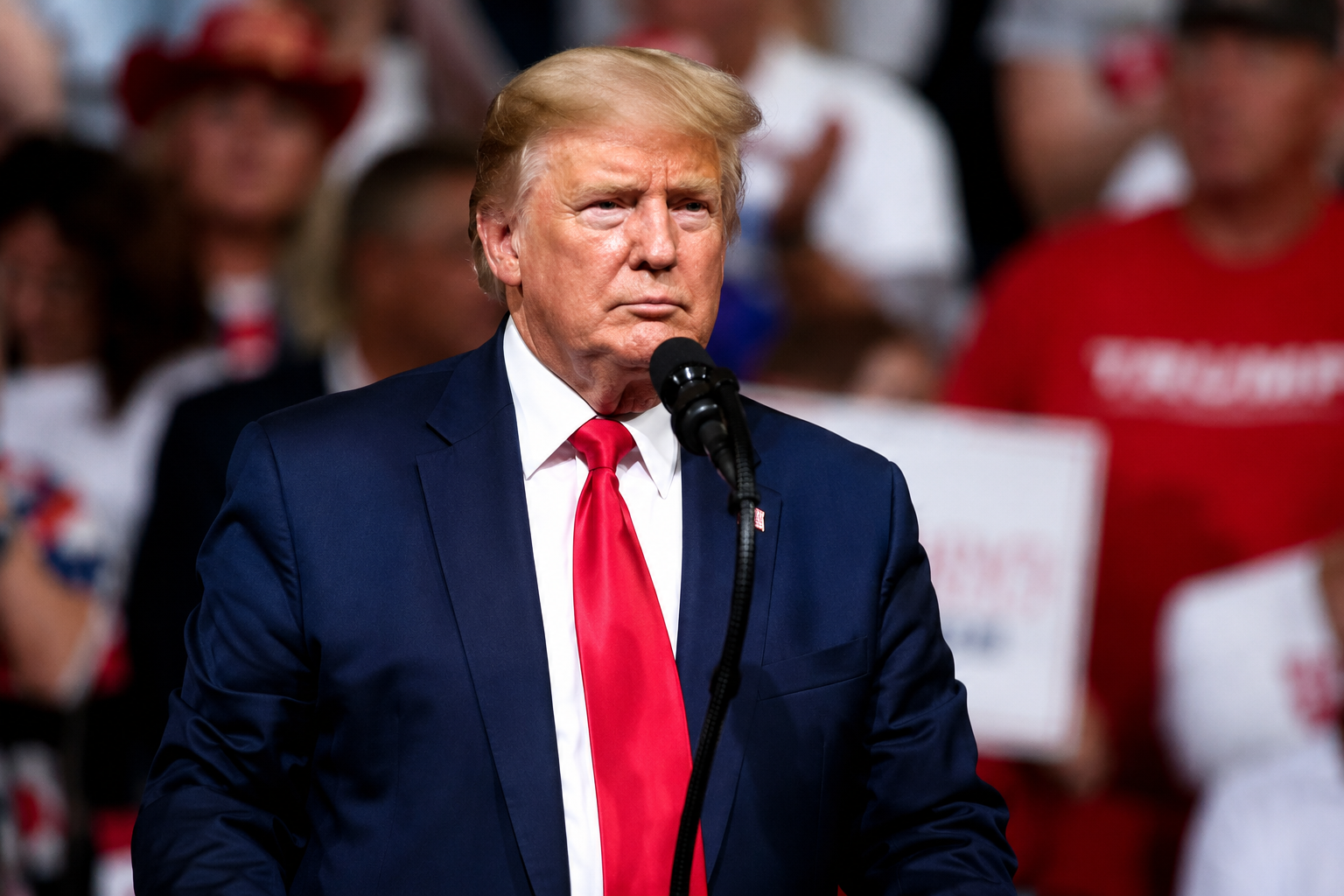
The United States has challenged Iran’s attempts to restrict shipping and has maintained pressure on Tehran amid the wider conflict. President Donald Trump has repeatedly claimed that the United States has control over the waterway, while Iran has rejected those claims.
Trump has even shared an image depicting the Strait of Hormuz as “U.S. territory,” escalating the political rhetoric surrounding the waterway. Iran has strongly rejected the claim.
The important distinction is that political claims do not automatically change the legal status of international waters. The real issue is who can practically influence maritime movement on the ground—or at sea.
Shipping Traffic Has Fallen Sharply
Another warning sign for Iran is the overall decline in commercial traffic.
Reuters reported on August 19 that only six commodity vessels passed through the waterway on Tuesday, compared with nine the previous day and a recent daily average of around eleven.
The reduction reflects continuing uncertainty over security and the status of the waterway.
Major shipping companies are reluctant to expose vessels and crews to potential attacks, interception or other military risks. That hesitation itself reduces Iran’s ability to use the strait as an effective economic pressure point.
Why Hormuz Is So Important
The Strait of Hormuz connects the Persian Gulf with the Gulf of Oman and the Arabian Sea.
It is one of the world’s most important energy corridors, carrying a significant share of global oil and liquefied natural gas shipments. Before the current crisis, roughly 20 percent of global crude oil and LNG shipments moved through the waterway.
That makes any prolonged disruption a global economic issue—not just an Iran-U.S. military confrontation.
A sustained reduction in traffic could affect oil prices, shipping costs, insurance premiums and energy supplies across Asia and beyond.
Iran Still Has Powerful Leverage
Despite these developments, it would be premature to say that Iran has completely lost control of Hormuz.
Iran’s geography remains a major strategic advantage. Its coastline stretches along the northern side of the strait, giving Tehran the ability to threaten shipping through missiles, drones, naval forces and other military capabilities.
Iran has also continued to insist that the strait remains closed under its current conditions, directly contradicting President Trump’s claim that it is open.
So the situation is better described as a contest over practical control, rather than a confirmed transfer of sovereignty.
The Bigger Problem for Tehran
The biggest threat to Iran may not be the loss of the strait itself.
It could be the loss of economic leverage that comes from controlling access to it.
If international shipping companies increasingly choose Omani routes, accept greater U.S. protection or simply avoid the waterway altogether, Iran’s ability to use Hormuz as a pressure tool becomes less effective.
At the same time, the economic cost of prolonged disruption could hurt Iran itself.
This creates a difficult calculation for Tehran: keeping pressure on the strait can impose costs on its opponents, but it can also accelerate efforts by shipping companies and energy producers to find alternative routes.
What Happens Next?
The future of the Strait of Hormuz will depend heavily on the outcome of the wider confrontation between Iran and the United States.
Diplomatic efforts have struggled to produce a lasting agreement, while tensions remain high. The United States has ruled out arrangements that would leave Iran in control of the waterway, while Tehran continues to use Hormuz as a key bargaining tool.
For now, the evidence points to a complicated picture.
Iran has not simply “lost” the Strait of Hormuz. But its ability to dictate how international commercial shipping moves through the region appears to be under increasing pressure.
And if the shift toward Omani-controlled routes continues, Tehran could gradually lose one of its most powerful strategic cards.
Key Takeaway
The battle for the Strait of Hormuz is no longer only about who claims control.
It is increasingly about who can actually keep commercial ships moving—and that is where Iran’s position may be weakening.
This article is based on the latest available reporting and shipping-traffic information as of August 19, 2026. The situation remains fluid and claims by Iran and the United States should be treated separately from independently observed shipping movements.