
Saturday, 22 August 2026
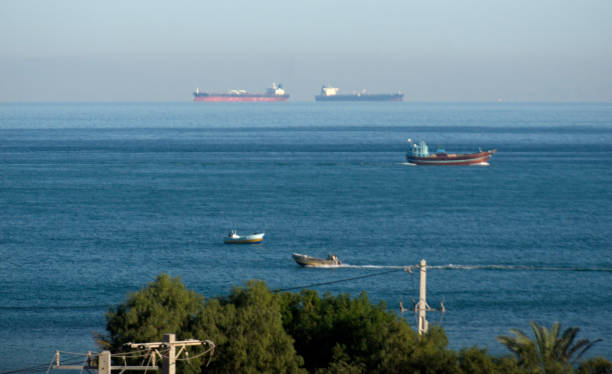
Iran has granted permission for a number of Iraqi oil tankers to pass through the Strait of Hormuz, providing limited relief to Iraq as maritime traffic through the strategic waterway remains heavily disrupted.
Iran’s state news agency IRNA reported that the permission followed repeated requests from Baghdad. The issue was also raised during Iranian Parliament Speaker Mohammad Baqer Qalibaf’s recent visit to Iraq, where facilitating the movement of Iraqi oil tankers through Hormuz was among the key requests.
Iraqi President Nizar Amedi confirmed that Iran had recently allowed vessels carrying Iraqi oil to pass through the strait, although he described the broader situation as complicated.
Relief for Iraq’s Oil Exports
The development is particularly significant for Iraq, which has been hit hard by the disruption to shipping through Hormuz. Iraq was producing around 4 million barrels of oil per day before the current conflict, making secure export routes vital for its economy.
However, the permission for Iraqi tankers should not be interpreted as a full reopening of the Strait of Hormuz.
Shipping activity remains far below normal levels. Reuters, citing Kpler data, reported that only seven commodity vessels crossed the strait on August 20, compared with substantially higher traffic before the conflict. No large crude-oil carriers or LNG tankers were recorded among those crossings.
Iraq Explores Alternative Routes
With uncertainty continuing around the waterway, Baghdad is also working to diversify its oil-export options.
Iraq is pursuing greater use of Turkey’s Ceyhan port and exploring potential export routes through Syria’s Baniyas port and Jordan’s Aqaba port. The aim is to reduce the country’s dependence on a single strategic maritime route.
Why Hormuz Matters
The Strait of Hormuz is one of the world’s most important energy corridors. Before the current disruption, it carried nearly one-fifth of global crude oil and LNG shipments. Any prolonged reduction in traffic can therefore affect energy supplies, shipping costs and international oil markets.
For now, Iran’s decision gives Iraq a limited channel to continue moving some oil exports. But with overall shipping still sharply restricted, the wider future of commercial navigation through the Strait of Hormuz remains uncertain.